

Poaching
Poaching & Protection Efforts
Poaching is the illegal, uncontrolled, and often indiscriminate killing of wildlife for commercial gain. Sadly, it remains one of the greatest threats to conservation in the Erongo Mountains.
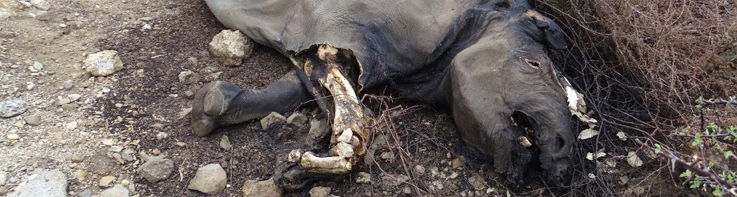
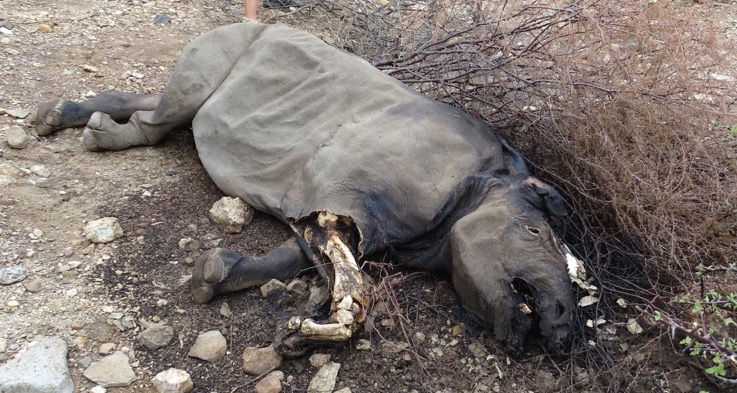
In 2018, the EMNS lost a Black Rhino to poachers—an event that underscored the urgency of ongoing protection efforts. Rhino horn can fetch up to USD 50,000 per kilogram on the black market, making these animals prime targets for criminal syndicates.
Poaching in the EMNS generally falls into three categories:
1. Professional Rhino Poaching Syndicates
Highly organised groups with inside information target specific rhinos. They typically kill the animal at dusk, remove the horn under cover of darkness, and leave the carcass behind.
2. Night‑time Meat Poaching with Dogs
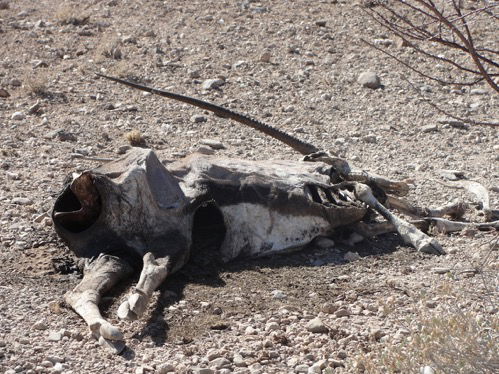
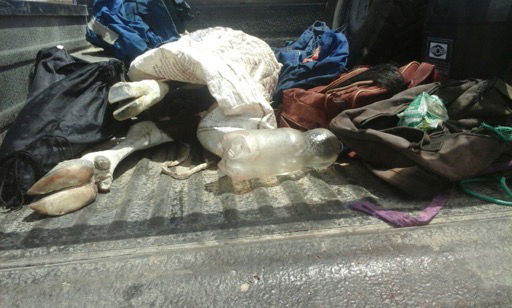
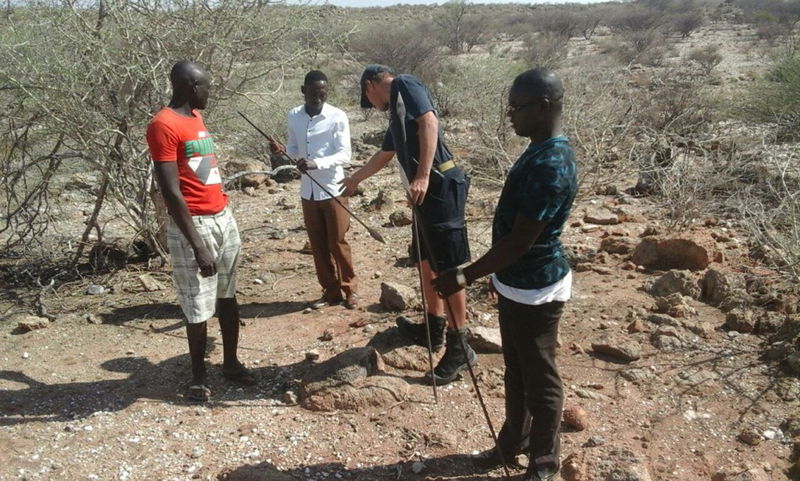
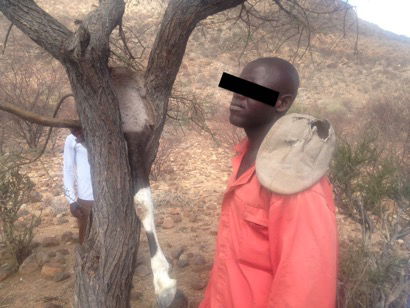
Groups are dropped near the EMNS boundary, often around full moon, to chase and kill species such as Oryx, Hartebeest, or Warthog. Packs of dogs cause significant disturbance to wildlife, and the meat is sold illegally.
3. Snaring in Remote Areas
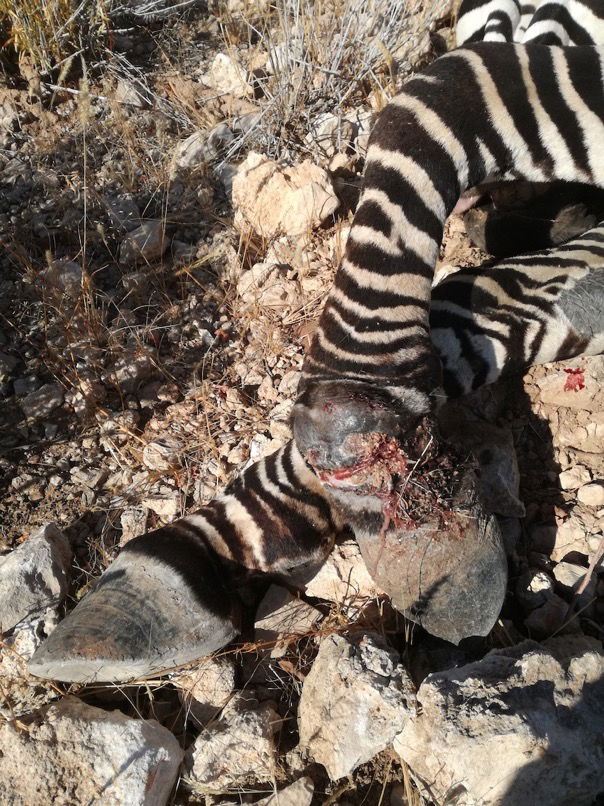
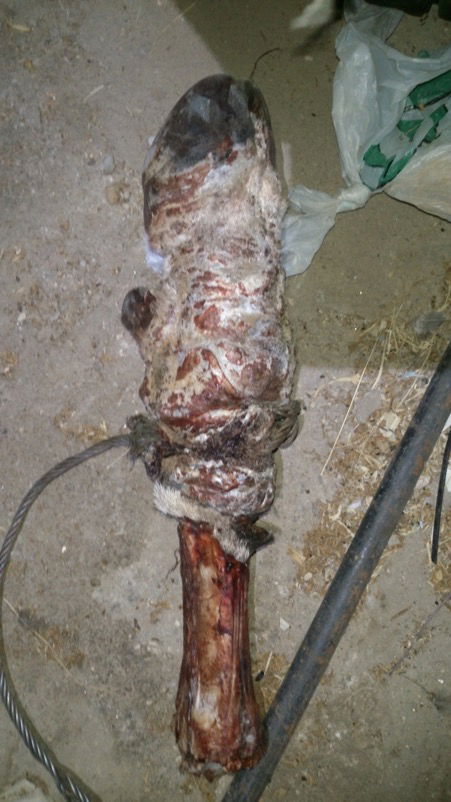
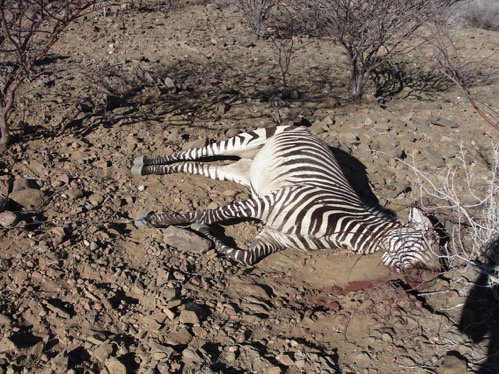
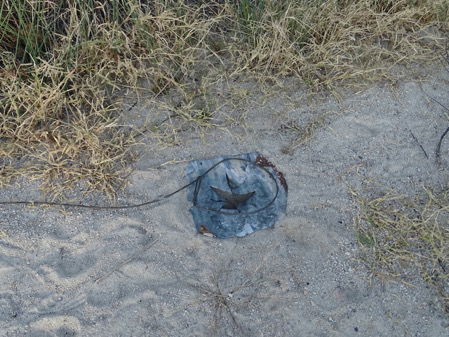
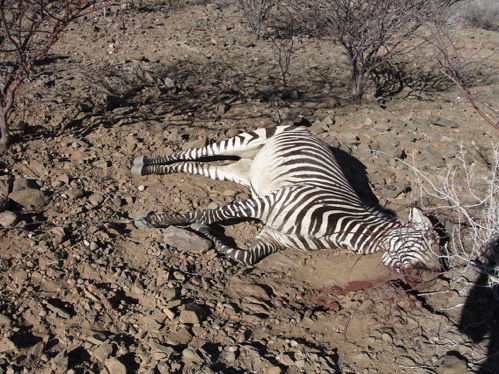
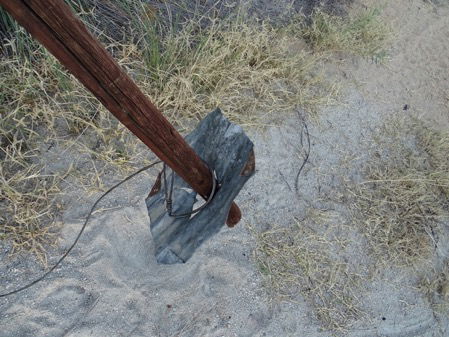
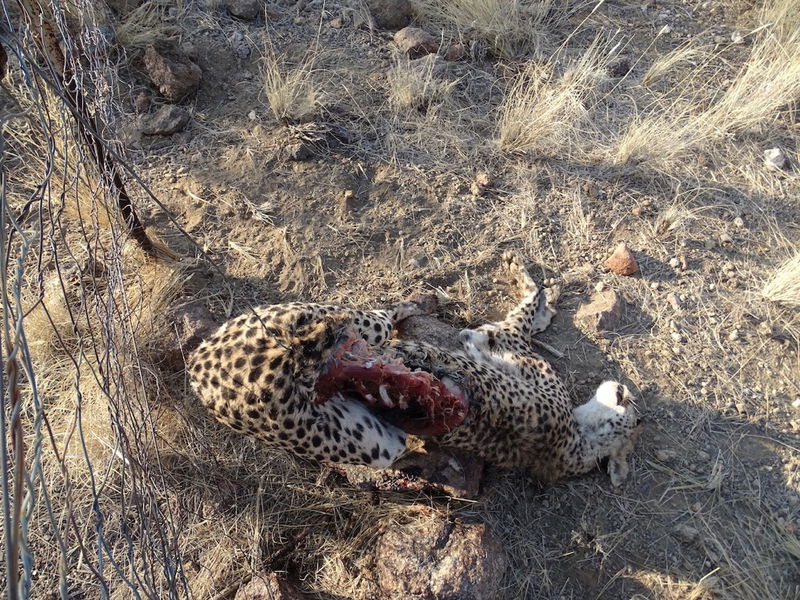
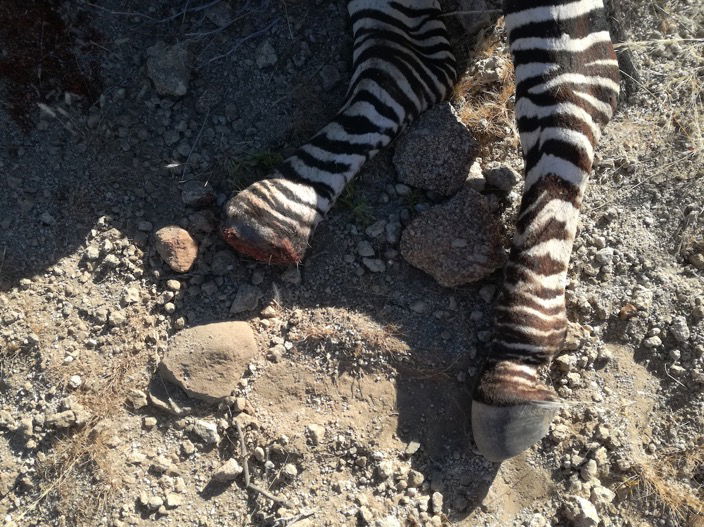
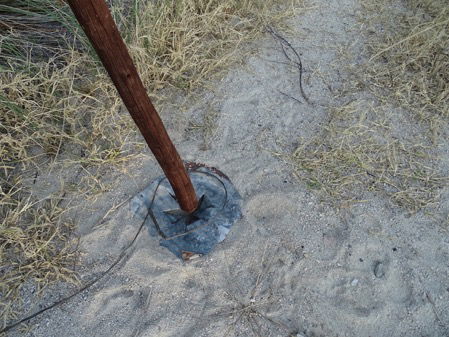
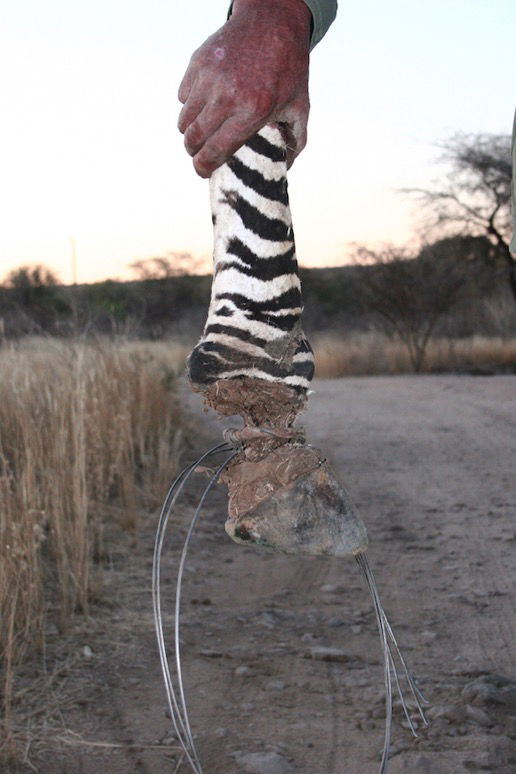
Poachers set steel‑wire snares along game trails, especially near waterholes. Animals such as Hartmann’s Mountain Zebra or Oryx step into the snare, which tightens around the leg, causing immense suffering and often death. Snaring is indiscriminate—multiple animals may be caught at once, and many are left to rot.
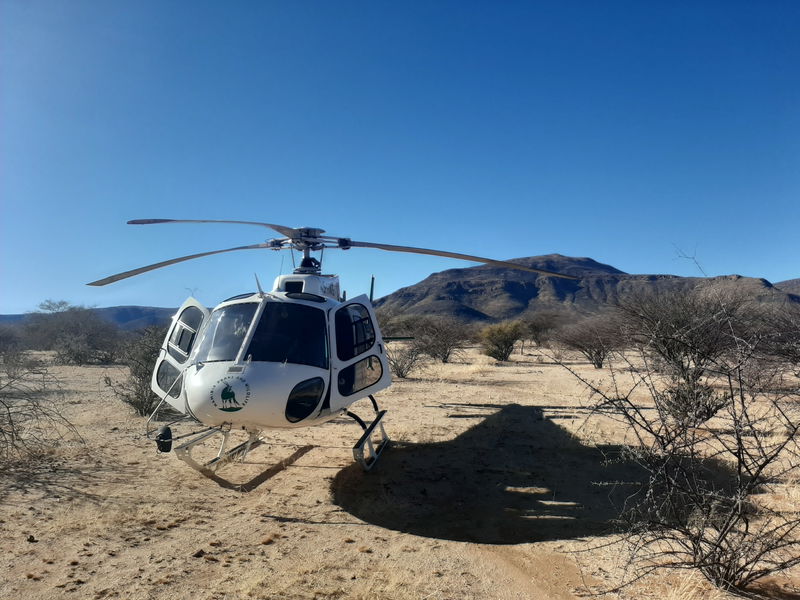
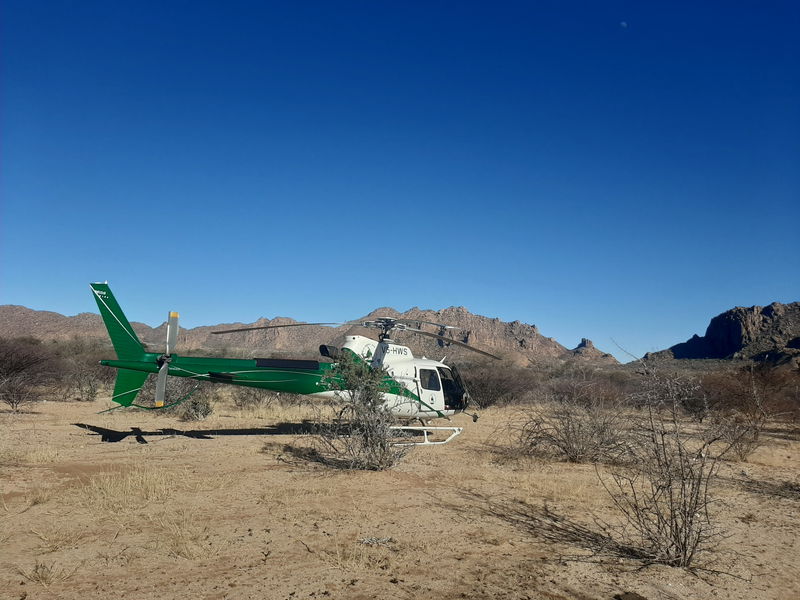
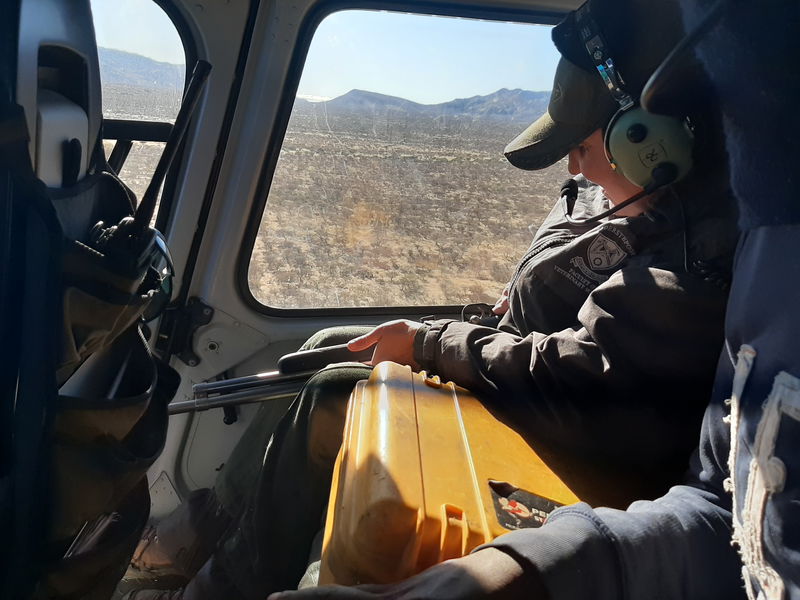
Anti‑poaching efforts are costly and require constant vigilance. Patrols on foot, by vehicle, and by air, ranger equipment, trail cameras, and electrification of the EMNS perimeter fence all demand ongoing financial support.
Rhino Dehorning as a Protection Measure
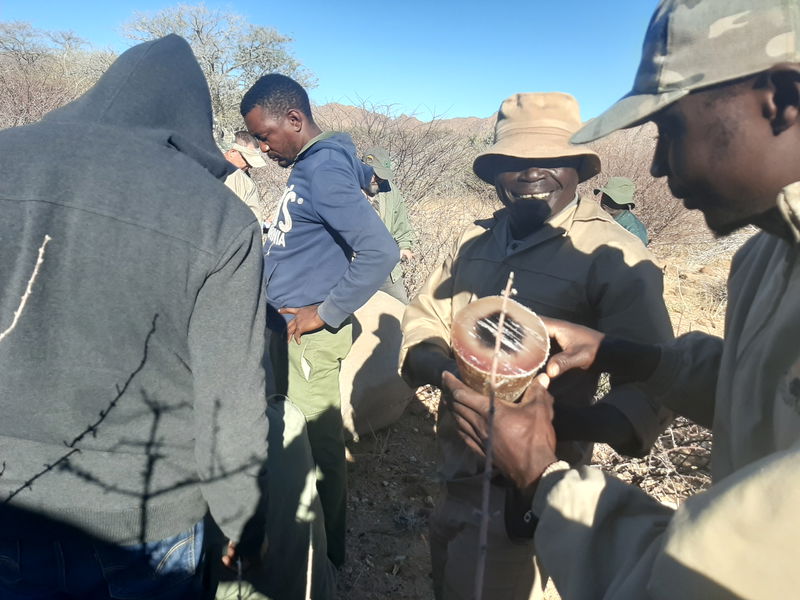
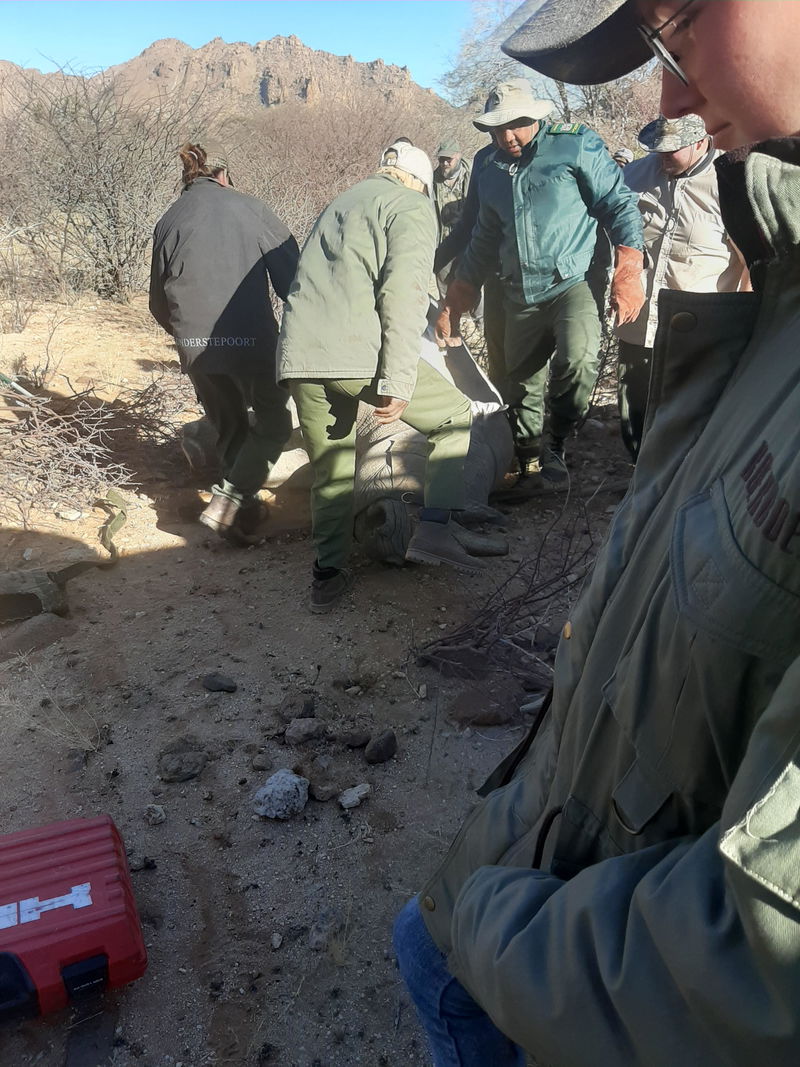
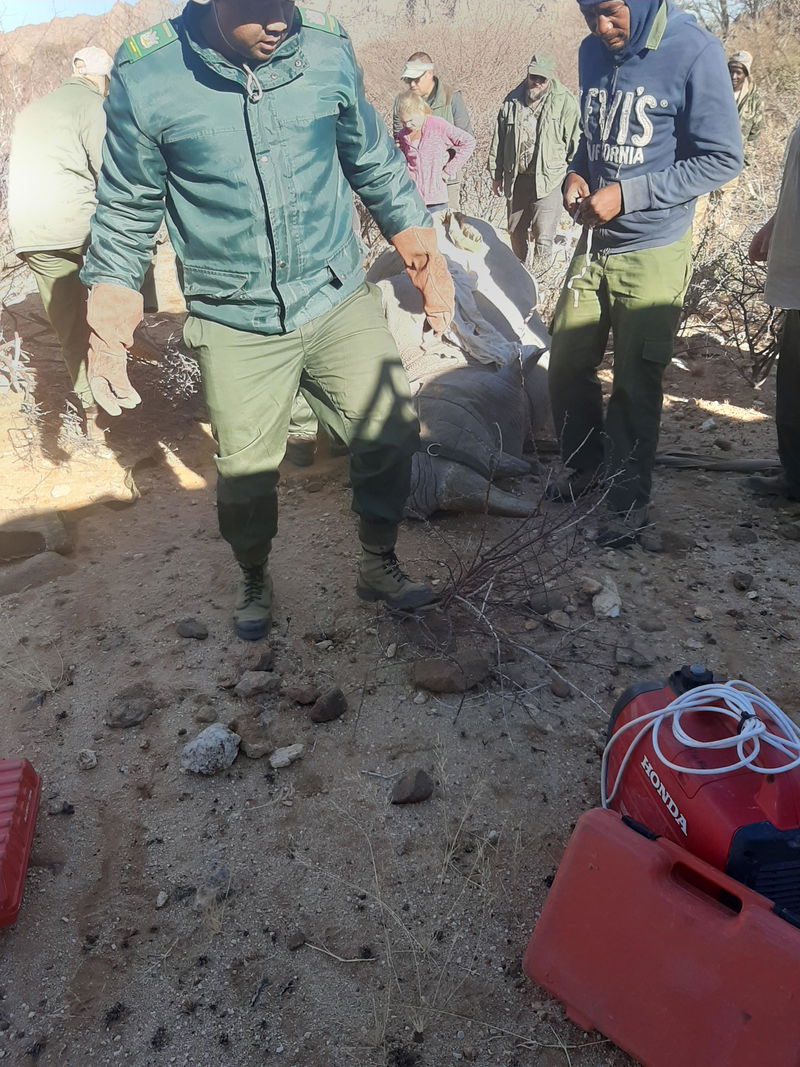
To further safeguard the Black Rhinoceros population, the EMNS conducts regular dehorning operations. Although a rhino’s horn is made of keratin and grows back over time, removing it significantly reduces the animal’s value to poachers and can be the difference between life and death. Dehorning is carried out by trained wildlife veterinarians under strict ethical and safety protocols, ensuring minimal stress to the animals. While not a perfect solution, it remains one of the most effective tools available to protect rhinos in regions where poaching pressure is high. The EMNS continues to monitor each individual closely, re‑dehorning as necessary and combining this approach with intensive patrols and surveillance to give these iconic animals the best possible chance of survival.
Share This Page